
Free Shipping on Subscriptions
•

30-Day Money-Back Guarantee
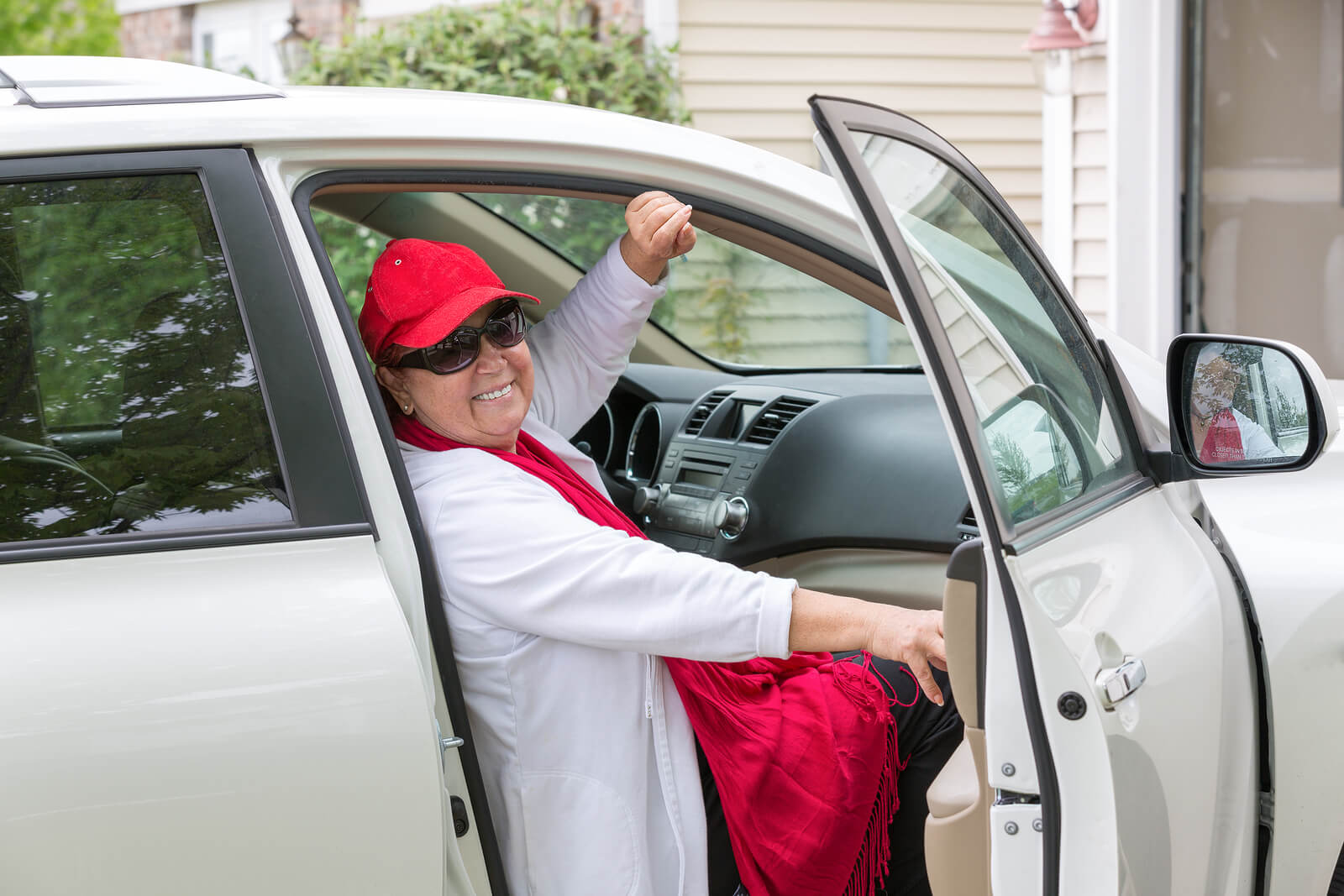
If you’re someone with low vision, you know how difficult it can be to travel. Many people with poor or low vision prefer to stick to their routines. And while that is great and can make life a lot easier, it can get a little discouraging being stuck in the same places all the time. Especially during the peak summer season, when it seems like everyone is out there traveling. Luckily, if you are someone who experiences low vision or blindness, it doesn’t mean traveling is out of the question. So what can you do to make traveling with low vision easier?
While there are many travel tips for people with poor vision out there (many of which we will cover in today’s article!), there are still a lot of reasons the visually impaired may choose not to venture out of their comfort zone. It could be fear, the inability to drive, embarrassment, or simply the insecurity of being away from home. However, there are things you can do to make visiting new places easier.
Poor vision may create limitations on some of the typical travel activities you can do. It may be more difficult to climb an ancient monument, and some museums may not be fully accessible. However, it is still possible to enjoy your time away! These holiday travel tips for people with low vision should help make your next vacation a success.
Poor vision can be caused by a number of different factors. Glaucoma, age-related macular degeneration, diabetic retinopathy, presbyopia and many other common conditions are just a few. For some of these conditions, there are treatments to improve vision, but sometimes vision loss is irreversible. This can place limits on what you feel you can still do. However, with a little bit of adjustment and assistance, you’ll be surprised to find you can still do many of the things you want to do.
 If your poor vision keeps you from being able to drive, look into other ways to get around. You can get rides from family, friends, and neighbors. Most people will be happy to help, even if you feel like you’re putting them out. Make your plans ahead of time, and if they agree, then there’s no reason to feel bad! Asking your local friends to help you get ready for a trip can also significantly reduce travel-related stress. Or traveling to see friends who can help you is one of the best options when it comes to vacations for the visually impaired, as that support will give you the confidence you need to enjoy your trip.
If you’re not traveling with or to friends or family, there is also a lot you can do to maintain independence. The visually impaired travel alone all the time – they just need to do a little extra planning. Using public transportation, a taxi or rideshare can get you from point A to point B. In fact, the American Foundation for the Blind recommends Uber and Lyft for these situations. You can also look into whether or not the area you are traveling to has some kind of transportation options for people with poor vision. Disclosing your disability status to your hotel well in advance can be helpful, too. They can connect you to local resources and ensure your room is as accessible as possible. They can also point you toward great vacation activities for blind people in the area. You’d be surprised at how many vacation spots are more accessible than you’d think.
There are other ways you can make sure you are ready to travel on your own. You can look into various visual aids and technologies that can help you remain independent. If you don’t already have a cane, for example, the National Federation of the Blind will send you one for free! Services like these can help you maintain a good quality of life, whether you are home or abroad. Some of these aids might include magnifying lenses or special equipment that enlarge images or text. You can also find books and newspapers with large print and even appliances designed for people with vision difficulties. Such enhancements can transform nearly all activities into activities for the visually impaired.
There are also things like counseling, training programs, and rehabilitation programs for people with poor vision. These services can give you the tools you need to manage things like airport logistics, ground transportation, hotel check-ins, and more. Look at your local community websites to find information on these programs before you head out on vacation. The hands-on blind and low vision travel tips you learn through these programs can make a world of difference.
Depending on the reason for your poor vision, it may be possible to improve by changing some lifestyle habits. Eye exercises and eye-nutritious foods have been reported to improve some common vision problems, sometimes to the point of not even needing corrective lenses anymore.
But of course, the cause of your vision issues matters – glaucoma cannot be reversed, for example. On the other hand, age-related macular degeneration vision problems can be delayed or even prevented if you start taking precautions soon enough. This is why it’s important to take care of your vision at all stages of life. You don’t need to allow your vision problems to rule the way you live your life. Be proactive about your eye health now, and you’ll live an enjoyable life for years to come.
If you are already experiencing low or impaired vision and you want to travel, you might just have to get used to needing a little help. Feeling dependent is difficult for anyone. We all want to be independent for as long as possible. But just because your vision isn’t as good as it used to be does not mean you have to stop everything. Remaining as active as you can is the best option toward living a new kind of normal.




WalterLamberg says:
I have macular degeneration. My eyes have been stable for 17 years. I have been taking Preservision during those years (two pills a day). This year, I started taking Preservision AREDS2 (two pills a day). I have also been eating the types of food you recommend
This Spring, I would like to take a flight that lasts 3 hours, 30 minutes. Should I have any concerns about flying with macular degeneration?