
Free Shipping on Subscriptions
•

30-Day Money-Back Guarantee
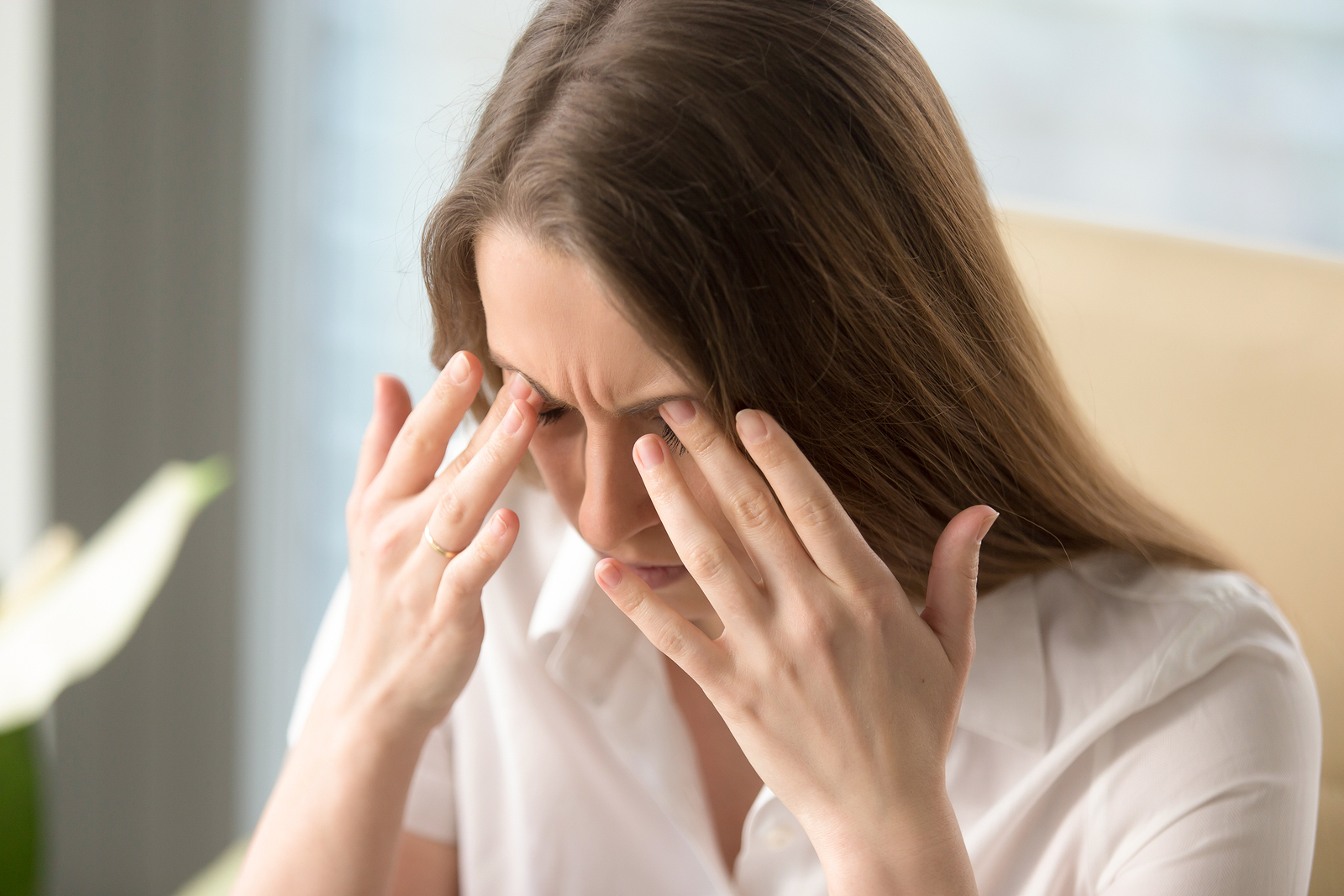
Let’s start off by answering our title question right away: yes. Any change, be it sudden or gradual, in your vision is cause for concern. However, there are different degrees to the concern of your eyes becoming more sensitive to light.
If you find that your eyes are sensitive to light, should you tear through the emergency room and yell at the staff until a doctor sees you? Probably not. Should you take note of your symptoms and discuss them with your eye doctor during your next appointment? Yes, definitely.
Your concern should really be about what is causing your sensitivity to light. Eyes are not made to be sensitive to light; quite the opposite actually. Our eyes absolutely require light to see. So, when they become sensitive to the very light they need, it is due to some other factor that may be affecting your eyesight.
 A sensitivity to light simply means that you feel a discomfort in your eyes when exposed to bright lights. That light could be anything from fluorescent lights, the sun, incandescent light bulbs, and other strong sources of light, including the one from your computer or tablet screen.
Sensitivity to light can cause eye pain and eye strain, as well as severe headaches. This is especially common for those who work in an environment that requires long hours in front of a computer screen.
While light sensitivity is often associated with bright lights, in extreme cases all light will cause pain and headaches.
Sensitivity to light can be the product of a variety of existing eye conditions. Very rarely does light sensitivity exist on its own. It is often a symptom of a greater vision problem, which is why it needs to be monitored carefully.
Here are some of the most common causes of light sensitivity:
If you find that you are suddenly more sensitive to light, specifically bright lights, take note of any symptoms. Some common symptoms may be migraines, headaches, eye pain and tired eyes.
If your sensitivity to light persists for more than two days, then it is time to make an appointment with your eye doctor. Sometimes a sensitivity to light can be caused by stress or lack of sleep in which case it often goes away with a good night’s rest.
You should also contact a medical professional if your light sensitivity becomes severe to the point where you need to wear sunglasses indoors to block out bright lights.
If you don’t have a severe form of light sensitivity, there are ways for you to treat it at home. Or at best, methods to deal with the symptoms of light sensitivity until they go away on their own.
Most times your sensitivity to light will go away without any medical help. But, that doesn’t mean that the symptoms aren’t going to interfere with your everyday life.
The first thing you can do is avoid bright lights. I know, seems obvious. If you can afford the luxury of missing a day of work or if you work from home, take the day to let your eyes and your brain recover.
Stay away from bright lights for the day, which includes TV and computer screens. If you absolutely need to use a screen, make sure the brightness is turned to a low setting. If you’re using a computer, make sure you have a blue light filter installed. The rose-colored filter will be much easier on the eyes than the harsh blue light.
Taking a nap could also be all you need to be rid of your light sensitivity. A poor night’s sleep can lead to all of your senses being a little more sensitive. For example, after a night of too much drinking, many people wake up dreading loud noises and bright lights.
Sometimes all your body needs is some rest to get it back to normal. Try taking an hour long nap, if you can spare the time.
If you must leave the house, be sure to wear dark sunglasses. The more light you block out, the better your eyes will feel and the sooner you’ll be over this light sensitivity.
If your sensitivity to light is more severe and needs medical attention, here’s what you can expect from your doctor’s visit.
First, you will be given an eye exam to make sure that there isn’t anything wrong with your eyes. If a condition or disease is discovered, then your health care professional will diagnose you and prescribe the proper treatment. This will likely solve your light sensitivity issue.
If the problem does not present itself you may have to answer some questions about your light sensitivity such as:
These are a few questions that you may be asked to further diagnose your light sensitivity.
If you notice your eyes becoming more and more sensitive to light, remember not to panic, but if the symptoms last for more than two days consecutively, talk to your doctor.



Frank Carey says:
What about people diagnosed with “Irlen Syndrome?”
Anand says:
I am diabetic and my sugar levels are not controlled. At the current age of just 44 I am feeling my vision both near and far is getting impacted. Not sure if its due to natural ageing process or due to uncontrolled sugar.
Is there composition of supplement which can ensure to stop any further detioration due to any reason and keep my eyesight really re-built.
Regards
Patrick Driscoll says:
What can be done for tear ducts that run all the time? Its very annoying appreciate your comment Pat Driscoll.