
How to Choose the Right Eye Doctor
Making a doctor’s appointment is no one’s favorite thing to do. First of all, calling the office to check for availability or navigating online scheduling tools is a chore. Then, there’s the anxiety about actually showing up for an appointment and undergoing a series of tests. And that’s not to mention the worry about what might happen after you get those results back.
The same goes for going to the eye doctor. From worrying about eye dilations to just the hassle of arranging time for it during the work week, it’s no fun. However, there are some things you can do to make the experience more palatable. A lot of it has to do with knowing how to choose the right eye doctor.
Having regular eye exams is important for keeping your eyes healthy. After all, early detection is key when fighting a lot of different eye conditions and diseases. With so many eye care professionals to choose from, finding the right one can feel a bit overwhelming. Let’s take a look at how you can choose the right eye specialist for you.
The Difference Between Ophthalmologist vs Optometrist
The first step in choosing the right specialist is to understand the different types of eye doctors. Knowing who to call when you experience an issue and what to expect when you get there can also alleviate a lot of appointment anxiety.
One of the first key differences to understand is the difference between an ophthalmologist and an optometrist. Both treat vision problems, but the short of it is that they are different levels of eye care professionals.
Optometrists
Optometrists specialize in diagnosing and treating vision problems and some eye conditions. They are licensed to prescribe corrective lenses and vision therapy, as well as low vision aids. They can also provide eye care before and after eye surgery. In some cases, they can also perform certain surgeries.
You may also have heard of something called a behavioral optometrist. These eye care professionals are slightly more controversial, as they use practices like eye exercises to heal vision conditions. If you’re just looking for a regular eye exam, you probably don’t need to visit a behavioral optometrist, but if you’re interested in the differences between regular and behavioral optometry, it could be worth doing a bit more research to see which one is best for your needs.
Ophthalmologists
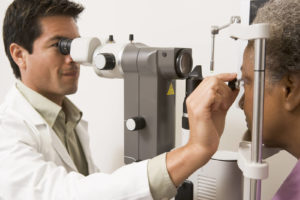 Conversely, ophthalmologists specialize in providing treatments for eye injuries and diseases. They are often better equipped to diagnose eye problems. These eye specialists also perform more intense types of eye surgeries, including cataract removal, repairing retinal detachments, and performing lens implants and LASIK surgeries. They are also allowed to prescribe prescription medications. On top of that, they can also perform normal eye exams and prescribe corrective eyewear if needed.
So, how do you choose an optometrist versus an ophthalmologist? If ophthalmologists can do more, that might seem like the safest bet, right? Well, not exactly. If you don’t have any extenuating conditions and are just looking for a regular eye exam, an optometrist is probably the best bet for you. But if there is something more serious going on, it’s probably a good idea to seek out an ophthalmologist. And, you can have peace of mind knowing that if your optometrist finds something more serious, they will refer you to an ophthalmologist anyway.
Opticians
You may also have come across the term “optician” before. But, if you have a serious eye concern you need checked out, this is not the professional for you. Opticians can fit and order eyeglasses or contact lenses for you, but only after they have received a prescription from your optometrist or ophthalmologist. While they are knowledgeable enough to help you pick out your new frames, in most states they only need on-the-job training or a certificate program in order to be hired.
Recommendations for Choosing the Right Eye Doctor
Once you know which type of eye doctor you need to see, you can begin your search. We’ve got some advice below to help you learn how to choose the right eye doctor.
First, you need to know how you are going to pay for your visit. Most often, the best way is to go through your insurance company. Give them a call and get a list of in-network doctors. You can contact your insurance company and get a list of eye doctors who are covered under your plan. There will probably be a long list to choose from, so you still need to narrow down your choices further.
The best next step is to rely on word of mouth. Ask your family, friends, and coworkers to see if they have any eye doctors they like. Since most eye doctors accept a wide range of insurance plans, someone is likely to recommend a few that accept your insurance.
Once you’ve received a few recommendations, you should do a little bit of research to narrow down the list. Check to see if the doctor has ever been accused of malpractice, verify their credentials, and look for a list of their specialities, such as pediatric eye care, LASIK, glaucoma, etc. If you have a particular concern or condition, choose an optician who has dealt with it before.
Check Out Their Office
Another key factor when considering how to choose the right eye doctor is their office atmosphere. This might sound silly, but it’s important. Most people are already reluctant to go to the eye doctor, so you’ll be much less likely to worry about making an appointment again if the office culture is off. So, walk in and take note: Are you greeted by someone friendly when you first walk in? Or do they seem rushed, rude, or ignore your presence altogether? Are they actively helping customers choose frames, or are they hiding behind their desk?
Next, ask to speak to the eye doctor and have a list of questions ready to ask him/her. Pay attention to how the doctor responds to your questions and how thoroughly they answer them. Does the doctor make eye contact with you, or does it seem like there are other things on their mind? Are they answering your questions quickly and briefly so they can get on with something else? They should be actively seeking your business and trying to make you feel comfortable.
Lastly, take a look at any credentials or diplomas they have hanging on the wall. This will give you more information about their credibility and priorities.
Have an Eye Exam
If that initial office visit goes well, take the opportunity to set up your first eye exam. This will, of course, give you even more data regarding whether this is a person you can work with long-term.
At your first appointment, the doctor should take the time to do a thorough exam. This means it should last more than a few minutes – this demonstrates that they are really trying to get to know your vision. If an eye or vision problem is discovered during your exam, take note of how much time the doctor takes to talk to you about it. And, if you have any questions about the exam, reflect on whether they answer them thoroughly enough.
If you aren’t happy with your experience during the exam, that’s totally fine. You can try a different doctor for your next exam. But if you were satisfied with how the doctor handled the exam and answered your questions, you may have found the right eye doctor for you.
Keep Your Eyes Healthy
Understanding how to choose the right eye doctor is the first step toward ensuring you preserve your vision in the long term. Of course, the best thing you can do to ensure you don’t have to go to the eye doctor for more than your regular exam is to take care of your eyes daily. Make sure you are supporting your vision with healthy habits so that you avoid any serious conditions.
There are a lot of foods that contain these nutrients and vitamins, as well as supplements you can take. Our Ocu-Plus Formula is a quick and easy vitamin source. The more preventive care you do, the healthier your vision will be.



I love that you talked about hiring a professional who will take their time to do a thorough exam. My grandma is looking to hire an eye care professional to help her see better. I think I will talk to her about hiring a professional who will pay attention to details.
Thanks for your advice to get recommendations from family members and friends before actually scheduling an appointment with one. It would make sense that people who you trust would be a good resource for finding a provider you trust as well. Talking with staff at a doctor’s office would probably help you make a good decision as well.
MOST OF THE TIME WHEN YOU LIVE IN THE NORTH YOU ONLY GET 1 CHOICE FOR EYE DOCTORS THIS IS A PROBLEM .YES TRAVEL IS OK BUT THE COSTS FOR A PENSIONER IS HIGH ENOUGH AND THE LIBERAL GOVERNMENT IN CANADA WILL NOT HELP. TOO BUSY SENDING OUR MONEY TO OTHER COUNTRIES AND NOT HELPING US.
I really like what was mentioned about getting recommendations when it comes to finding an eye doctor. Finding a doctor through friends or family assures you that your going to find quality because they have already had good experiences with the doctors they suggest. I also really liked the point about insurance plans!
Before choosing any eye doctor, just check their review online and get more information about them. Which may helps you to know to choose right eye doctor.
You make a really good point about actually checking the office of your potential optometrist. Like you said it is a good way to see how the optometrist answers your questions. and whether they are helpful. In my opinion, it’s also a great time to ask the doctor about their credentials and continuing education. Those are also really important things to take note of.