
Is LASIK’s Popularity Finally Fading?
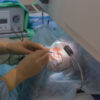
We’ve never kept quiet when it comes to speaking out against invasive surgeries like LASIK on our blog. Over the years, this surgery has become a popular solution to various vision conditions, but LASIK’s popularity is finally fading, and for good reason. Needlessly invasive and not always effective, LASIK is far from being the best treatment option.
However, like any trend, it seems that LASIK is finally falling out of popularity with a lot of patients. At the height of its popularity between 2000 and 2007, LASIK was the first choice for a lot of patients with vision problems.
With the rise of social media and message boards, LASIK patients were able to share their personal stories and experiences with having had the surgery. Unfortunately for LASIK, lots of patients’ stories featured one common theme: complications.
The Downfall of LASIK’s Popularity
There is no doubt that we are witnessing the crumble of the LASIK surgery empire. According to Market Scope, a leading market researcher in the field of eye care, has found that LASIK surgeries have dropped more than 50 percent between 2007 and 2015. In less than 10 years, this supposedly revolutionary corrective surgery is beginning to slip, a trend that has continued in the last five years.
Eye care experts don’t have a concrete reason for this. LASIK surgeons blame the economy, citing that it has yet to recover from the recession, meaning that fewer people can afford the surgery.
While this may be true, other ophthalmologists claim that the millennial generation is choosing different ways to care for their eyes, if they choose to care for their eyes at all. The millennial generation is still a young one and perhaps the realities of caring for aging eyes has not yet hit them, which could explain their lack of interest in LASIK surgery.
Of course, there is one more reason that could explain why LASIK is facing a downturn in popularity. No LASIK surgeon will admit to the fact that complications are far more common and dangerous than they’ve led us to believe.
Complications
Millions of people have undergone LASIK since it first burst onto the eye surgery scene in the 90s. While not everyone will experience complications after surgery, too many people have come forward claiming that their quality of life has severely diminished since getting the surgery.
Websites like LASIK Complications should be a go-to source for people considering LASIK. On their site, you’ll find all you could possibly need to know about LASIK and the related PRK surgery. You’ll also find the latest news regarding LASIK.
If you have your own story to tell, LASIK Complications has a Facebook page that allows those who have undergone the surgery a chance to talk about their complications and disappointment with the surgery.
But this Facebook group isn’t just a place to vent about LASIK and other related forms of corrective surgery. It is also a great way to offer support to those who have been deeply affected by LASIK or to receive support if you have undergone the surgery and have experienced poor results.
Though experts have differing opinions as to why LASIK’s popularity is fading, it’s clear that word of mouth definitely had something to do with it. Like any product on the market, word of mouth can make or break it. In this case, word-of-mouth marketing is not a good strategy for LASIK.
LASIK Eye Surgery Complications
LASIK surgery comes with an array of risks and complications. But, I guess the same can be said about any surgery. The one big difference here is that these are your eyes; the most sensitive organ in the body. You only have two, and once those are gone you can’t get a transplant like you can a heart or a kidney.
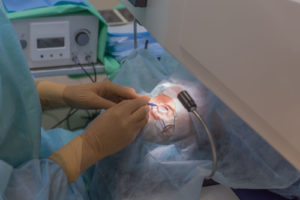
Before considering LASIK surgery, think of all the activities you do that require sight and make a list. Done? Ok, now think about if you could make do without those activities. In choosing LASIK, you risk losing or impairing your sight to the point where you can no longer partake in the things you love.
Some of us would even lose our jobs if we lost our ability to see.
Here are some of the most common complications due to LASIK eye surgery:
- Loss of vision: this type of vision loss cannot be corrected with glasses, contacts, or surgery.
- Vision side effects: these side effects can include seeing halos, loss of night vision, and inability to see in low contrast and low light.
- Dry eyes: dry eyes caused by LASIK are not your typical dry eyes. This dry eye can be so severe that it will cause blurred vision and more discomfort than normal. Sometimes this condition can be permanent and would need to be treated with prescription drugs.
- Vision condition may return: in some unlucky cases, the vision condition that the patient sought to repair returned over time. This happens especially with farsighted patients. Their farsightedness may return as they age.
An extreme surgery is sure to yield extreme risks, which is exactly what LASIK does. It is no surprise that people are now making wiser choices when it comes to their eyes.
LASIK Eye Surgery Alternatives
Depending on your vision condition and what exactly you are looking to correct, several alternatives to surgery are available. Many doctors may suggest another surgical option that isn’t LASIK, but we’re here to offer you some non-surgical alternatives.
Remember, however, that before choosing an alternative, talk to your doctor. They’ll know how to best guide you through repairing your vision.
An increasingly popular non-surgical alternative is contact lens therapy. Though the technology is relatively new, the idea of contact therapy is that these contact lenses work to change the shape of the cornea, thus correcting refractive errors. This is ideal for those with farsightedness, myopia, and astigmatism.
The best part about these therapy contact lenses is that most patients only need to wear them at night. You wear them while you sleep so that the reshaping of the cornea can be done without you even noticing.
Another LASIK surgery alternative comes from the ancient Chinese practice of acupressure. Traditional Chinese medicine says that certain pressure points in the body can lead to living healthier. The pressure spots on the face are thought to enhance vision.
As LASIK’s popularity begins to fade, we can now push for more natural and non-invasive and non-surgical methods to treat eye conditions. Everyone deserves to live a life of the highest quality. No one should have to risk their sight in order to fix it.
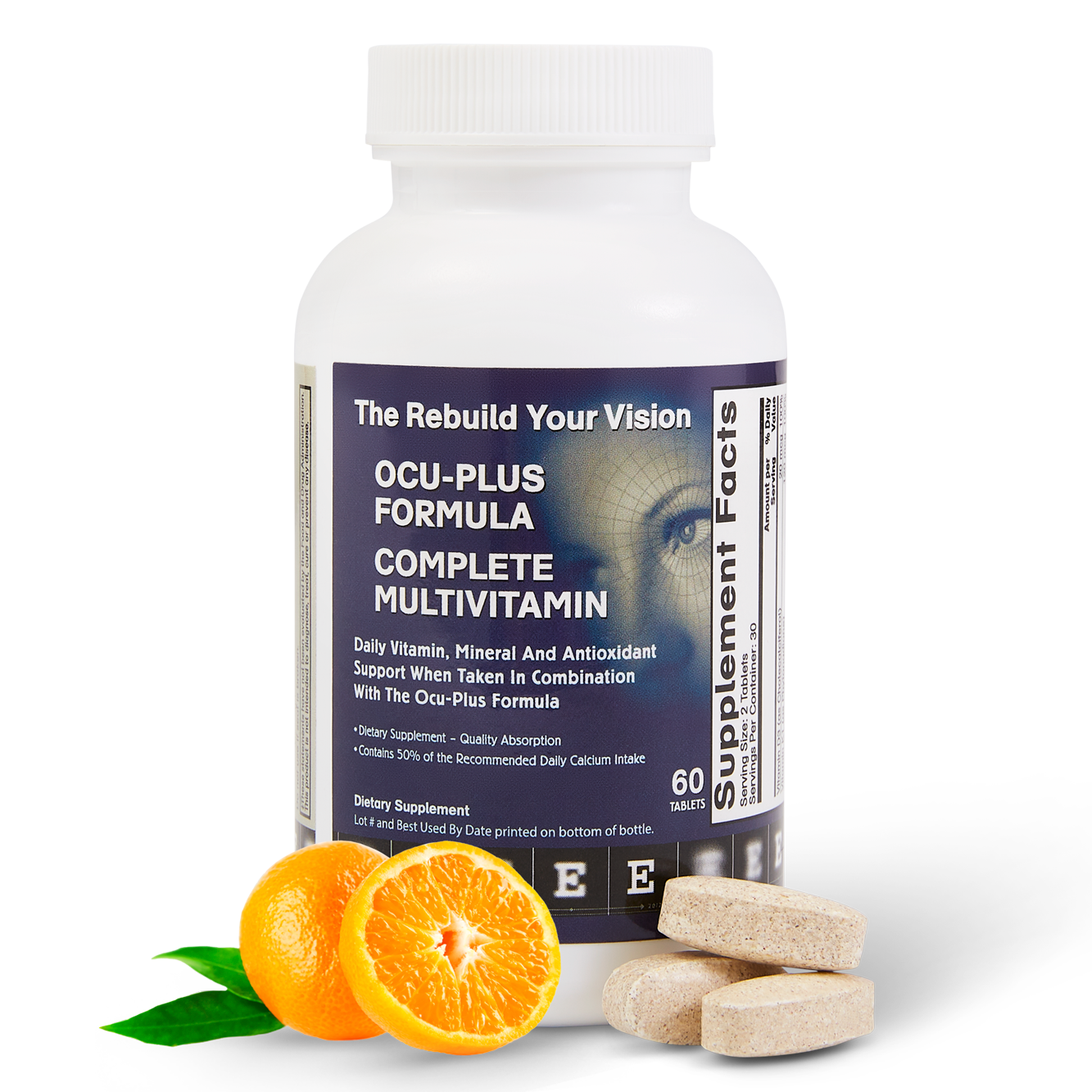
Our Rebuild Your Vision Ocu-Plus Formula Contains All 17 Vitamins, Minerals, and Herbal Supplements to Improve Your Eye Health!


Hey Tyler,
Thank you for this informative article. As you ‘e mentioned that Lasik is losing its popularity, which seems to be true. The reasons you said were all thought-provoking. You gave reasons like the LASIK surgeons blame the economy, citing that the economy has yet to recover from the recession, meaning fewer people can afford the surgery. Another reason is that the millennial generation is still a young one. Perhaps the realities of caring for ageing eyes have not yet hit them, explaining their lack of interest in LASIK surgery. Lastly, few patients experienced complications after surgery. Too many people have come forward, claiming that their quality of life has severely diminished since getting the surgery. I’m planning to take my mom for LASIK next month. She’s 56, but have no health issues, and she’d always followed a healthy diet. Her ophthalmologist has given her all the details about the bladeless LASIK that he’s going to perform. They https://www.clearviewinstitute.com/ have given her all the assurance.
Cheers!!
Would you please do a similar article on the laser used to treat eye floaters?
There are some doctors that do that full time. The results are a secret to all.
What is going on?
Great article! Lasik may be great for a lot of people, but at the end there are a lot of long term side effects (years or decades can pass even) which will make you wish you had your old pre-surgery vision back!!