Free U.S. Shipping on Qualifying Subscriptions
•

90 Day Money-Back Guarantee
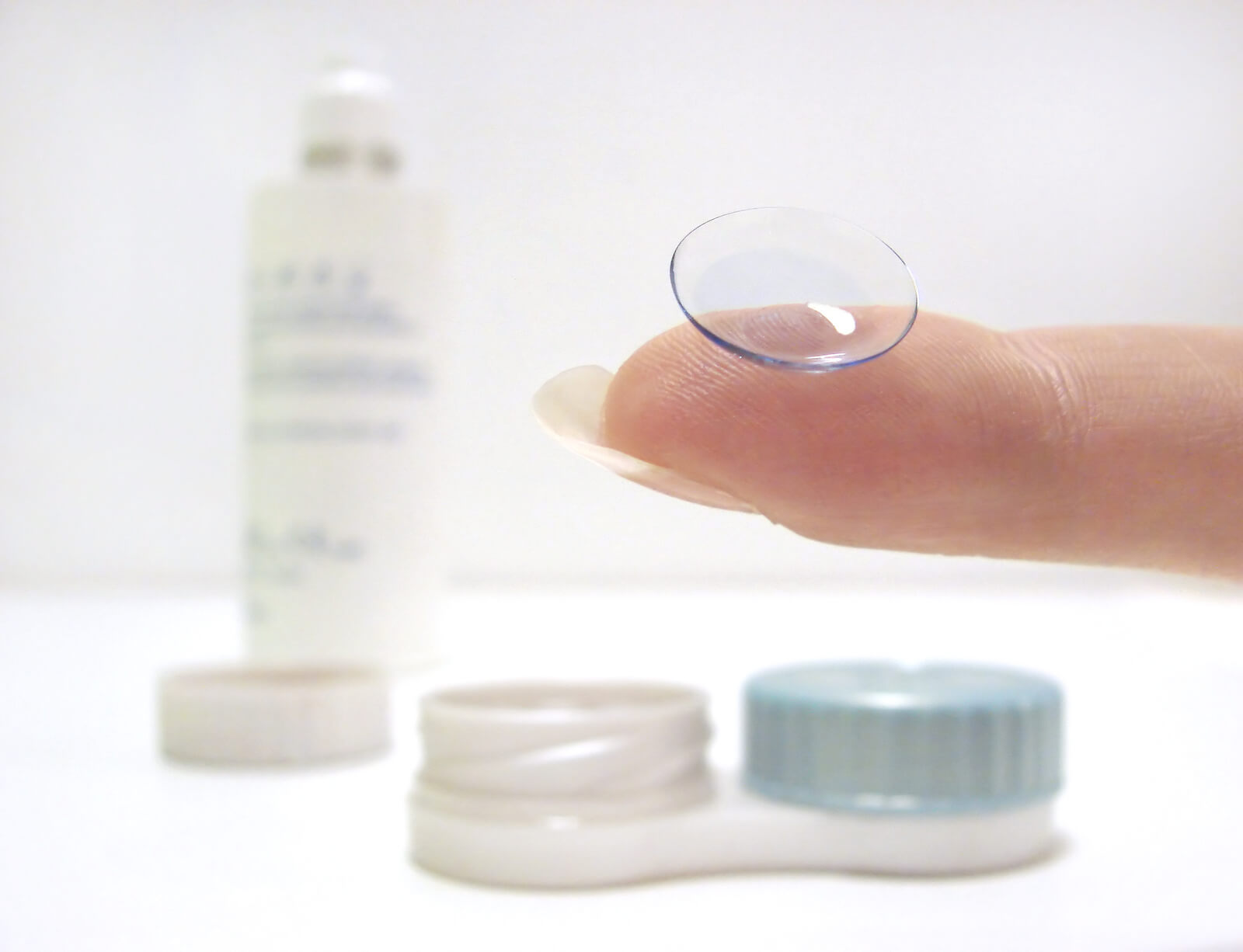

If you need corrective eyewear to see properly, chances are, you have contact lenses. It’s the lens of choice both for cosmetic and practical reasons. Some people don’t like the look of glasses, while others can’t have external lenses like eyeglasses because of their line of work or hobbies. No matter what the motive, contact lenses come with a unique set of health risks. Before you choose to wear contact lenses, make sure you are completely aware of the health risks that come along with them.
While some of the risks are minor, others are quite severe—even blindness. It’s important to be aware of the risks of wearing contacts to that you can mitigate them and keep your vision healthy.
 Wearing contact lenses puts you at risk of developing several different eye conditions. One of the reasons this can happen is that all contact lenses reduce the amount of oxygen that reaches your cornea. This can lead to different types of infections.
One of the biggest risks for contact wearers is developing corneal ulcers. Corneal ulcers are open sores on the covering of the eye. Other risks include corneal scratches/scrapes, changes in the cornea’s shape, swelling, and infection of the cornea.
Besides problems with the cornea, other common risks include the following:
The CDC cautions that proper care is essential to using contact lenses safely. If you are lax in your cleaning and changing habits, you could end up with one of these conditions.
There are several habits and choices that can make wearing contact lenses even riskier. One is touching the contact lens without washing your hands first. This is an opportunity for bacteria to be introduced into your eye. Wearing your contacts for long periods of time also increases your risk because the lens keeps oxygen from getting to the eye even longer. This increases your risk of corneal ulcers.
Smoking is another way of increasing the risk of eye ailments with contacts. Smoking raises the risk of the wearer developing corneal ulcers. Swimming also increases your risk. Yes, that “sparkling clean” pool water can cause a lot of problems with your contacts. The risk of getting contaminated water into your eyes is very strong and the bacteria can stick to your lenses. So, make sure you wash your hands and take out your contacts before you go for a swim, or take extra care if you absolutely must wear them in the pool.
If you choose to wear contact lenses, be on the lookout for any of these symptoms. If you are experiencing any of these symptoms, your body is telling you that something is wrong. One of the first symptoms you might notice is blurred vision, which should be immediately reported to your doctor.
General eye discomfort is a symptom that may be monitored for a short period of time before calling your doctor. Wearing contact lenses for the first time will feel strange and slightly uncomfortable. But, that feeling should go away within a few days. Combined with other symptoms, the discomfort could be a sign of another problem. You should be looking for excessive tearing, discharge from the eyes, or watery eyes. Also, you should be concerned if you have itching, burning, or feel like there is sand or dirt in your eyes. Among the other symptoms that should be tended to are pain, redness in your eyes, sensitivity to light, and swelling.
If you already wear contacts and you experience any of the symptoms listed above, immediately wash your hands and remove the contact lenses from your eyes. Do not put them back in. Then, you should contact a doctor, preferably an eye doctor. Place your contact lenses back in a contact case. When you go to the doctor, make sure you take your contact lenses and any contact solution you are using with you to your appointment. It can help the doctor determine what is wrong with your eyes.
There are several reasons why contacts may not be the best choice for you. If you suffer from arthritis, contacts may be too difficult for you to insert or remove from your eyes. People who have dry eyes are also not good candidates for contacts as they can dry out in your eyes and make the problem worse for you. Certain medical conditions also make you less likely to have success with contact lenses. These conditions include hyperthyroidism, diabetes, asthma, allergies, and other respiratory conditions.
Of course, the first alternative that people think about for contact lenses is eyeglasses. But did you know that you can actually improve the condition of your eyes (in most situations) through proper care of your eyes? This includes diet, exercise, and protection.
The foods that are best suited for you depend on the eye condition you suffer from. Obviously, an overall healthy diet is the best choice, so check out this list of essential vitamins, minerals, and herbs for healthy eyes.
In addition to diet, exercise can help keep your blood pressure in check and fend off some eye ailments. Just like the rest of your body, you need to build those eye muscles. Regular cardio can really do wonders for the eyes.
Finally, protect your eyes! This means you should protect your eyes from harm in every way possible. Wear safety glasses whenever there is a risk of eye injury. Wear UVA/UVB sunglasses and a wide-brimmed hat to keep your eyes from sun damage. Protect your eyes from eyestrain by taking regular breaks when working for long periods of time in front of a computer. Try not to rub your eyes as this is often how bacteria are introduced into your eyes (from your hands/fingers).
If your vision is poor, contact lenses and glasses aren’t your only options. There are natural alternatives that you should try first. They start with improving your diet and exercising your eyes. A few easy changes in your life can make a big difference. You just have to know where to start!
Tyler Sorensen is the President and CEO of Rebuild Your Vision. After graduating top of his class with a Bachelor of Science in Informational Technologies and Administrative Management, he joined Rebuild Your Vision in 2002. With the guidance of many eye care professionals — including Behavioral Optometrists, Optometrists (O.D.) and Ophthalmologists (Eye M.D.) — Tyler has spent nearly two decades studying the inner workings of the eye and conducting research.



Helping people protect their vision since 2002.