

Best Eye Vitamins for Cataracts
By the time they hit 75 years old, about 50% of adults have had some type of experience with cataracts. Here are some vitamins for cataracts.
Published
Here at Rebuild Your Vision, we talk about cataracts a lot. As you know by now, cataracts are not a disease to put on the back burner and worry about later. Yes, over half of all Americans over 80 years old have this disease. However, it also affects younger adults, especially those who fall into certain high-risk groups. This includes people who have been exposed to radiation, people 50 years or older, people with diabetes, and those who smoke. Another key contributor to cataract development is sun exposure. This is why you should always wear sunglasses when you are outside! But what about cataract vitamins?
No matter your age right now, prevention is key. Of course, the best place to start is with your diet. Whether you ensure you are eating a diverse range of nutrient-rich foods or supplementing with vitamins, there is a lot you can do nutritionally to prevent this condition. Are you getting all the necessary cataract vitamins?
When someone is diagnosed with cataracts, it means that the lens of their eye has clouded over, causing partial or complete vision loss. This happens when the tissues that connect to the eyes’ lenses change, often from age or injury. The most common cause of cataracts is aging. For many people, cataracts are hereditary and not related to trauma or sickness.
There are, however, specific types of cataracts that have other causes. Traumatic cataracts usually occur after eye surgery. Secondary cataracts are often caused by the presence of other eye diseases, like glaucoma. Some babies are also prone to getting congenial cataracts if their mother suffered from measles or another disease while pregnant.
The first symptoms of cataracts are foggy vision and light sensitivity. You might notice that your night vision has decreased or that bright colors seem slightly duller. However, you likely won’t experience any pain or discomfort in the beginning stages. Cataracts are slow-moving and you might not realize you have them until some vision loss occurs. You should see your eye doctor right away if you notice a decrease in your vision. By getting annual eye exams, your doctor can help you prevent cataracts before they happen.
It’s important to know that cataracts are not contagious. They can’t spread from one eye to another or one person to another. Sometimes they are only present in one eye and not the other, sometimes both.
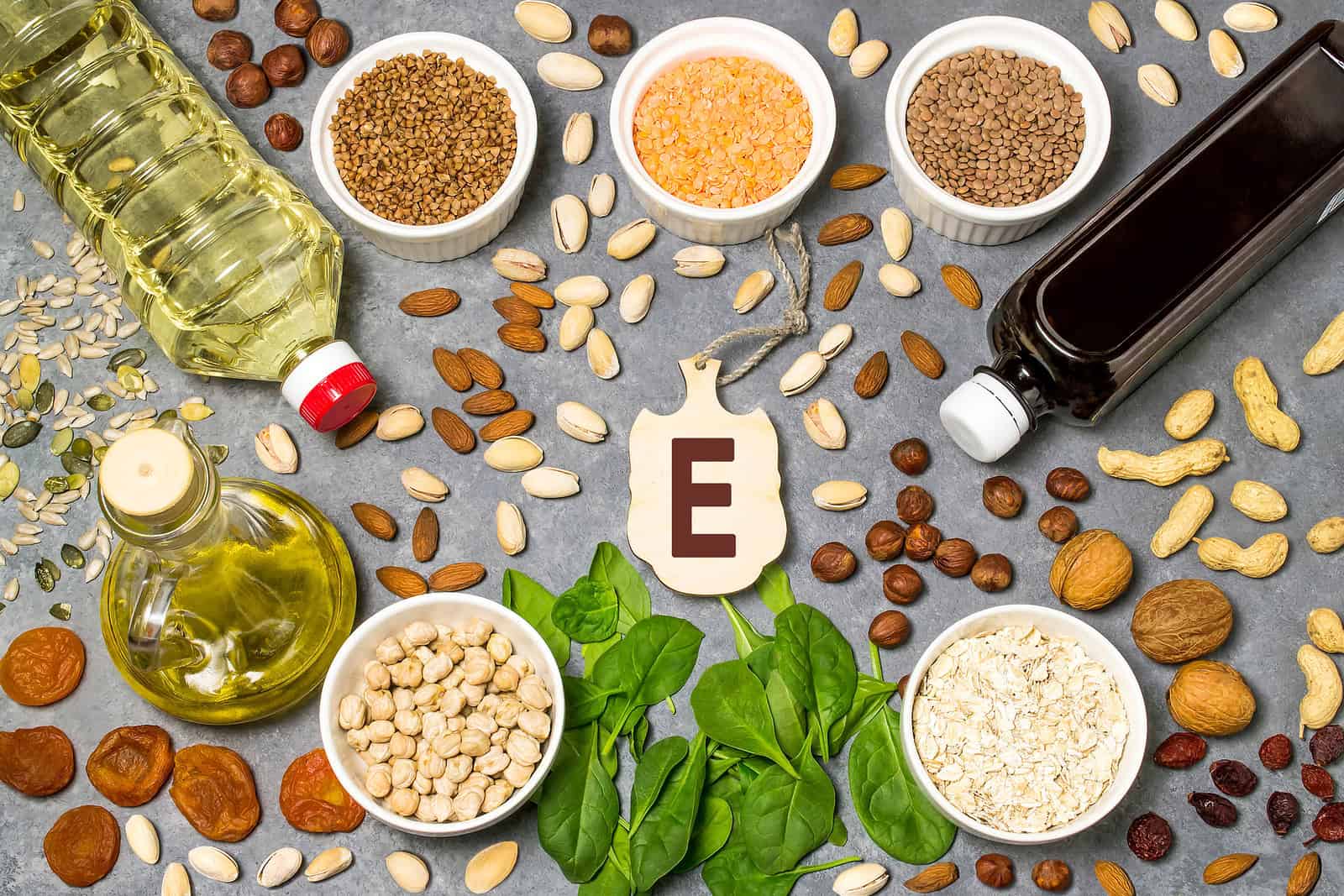
Luckily, there are ways to prevent cataracts that are backed up by the NIH. A certain type of vitamin known as AREDS, a multivitamin containing vitamins C, E, and zinc, has been proven to slow down the progression of cataracts. In some cases, they have been proven to prevent cataracts altogether. Then, in AREDS2, researchers found that lutein and zeaxanthin are also critical vitamins for cataract prevention.
You don’t have to change your diet or eat foods that you don’t enjoy. A multivitamin like the one used in these studies is an excellent way to get all your cataract vitamins in.
As mentioned above, researchers found that lutein and zeaxanthin are also very good for cataract prevention in the AREDS2 study. These two carotenoid antioxidants play a huge role in general eye health. Besides neutralizing oxidative stress in the eye, they filter blue light. This protects the macula from getting damaged and degenerating. Lutein and zeaxanthin are naturally found in the lenses of the eyes, where cataracts develop. The absence of lutein and zeaxanthin results in the lenses being unprotected from free radicals and immense damage.
You can get lutein and zeaxanthin in your diet from leafy greens, yellow peppers, and egg yolks. However, for some, it may be more convenient to take cataract vitamins in supplement form.
Did you know that having a zinc deficiency can result in cataracts? Zinc is a necessary nutrient for the retina and choroid. Without it, vitamin A doesn’t get transferred from the liver to the retina and you’re more susceptible to infections. The body doesn’t naturally produce zinc, so you must get it from your diet or from cataract vitamins.
Zinc is present in foods such as legumes, seeds, shellfish, and whole grains. According to the AREDS studies, people who are at higher risk of age-related eye diseases should be taking more of these crucial nutrients. It’s best that you speak to your eye doctor about dosages and zinc levels before increasing yours.
Some people are predisposed to develop cataracts later in life. However, by getting enough vitamin E, those people can delay the onset of cataracts. Others who aren’t high-risk can take vitamin E to prevent cataracts and age-related macular degeneration altogether. Vitamin E is a powerful antioxidant that protects the cells from oxidization. Cataracts are sometimes caused by the oxidization of the cells in the lenses of the eyes.
By protecting these cells from damage, you can theoretically prevent cataracts. Keep in mind that taking more than the recommended dose of vitamin E can result in unwanted symptoms. For example, muscle weakness and decreased thyroid functioning.
Besides taking vitamins for cataracts, you can get vitamin E from some food sources. These sources include leafy greens, broccoli, nuts, and vegetable oils.
It’s no secret that we’re huge vitamin advocates here at Rebuild Your Vision. However, it’s always best to discuss vitamins with your doctor before you start taking them. Perhaps you already get more than enough from your diet. Or, perhaps you’re not getting nearly enough.
The key is regular checkups with the eye doctor so they can monitor your eyes’ health. Your eye doctor can assess the eyes for signs of cataracts or track the disease progression. They will likely suggest some lifestyle changes such as quitting smoking, exercising more, and getting a more nutritious diet.
They may also suggest surgery, but you should know that this comes with many risks. If you start now, you could prevent or delay the onset of cataracts. It all starts with getting all the necessary cataracts vitamins from your diet or in a supplement form.
Free for readers of this article
Two capsules a day give your eyes 17 vitamins and nutrients, made in the USA and backed by our 90-day money-back guarantee.

4.95 Verified purchasers
250,000+ bottles shipped since 2002
Why readers choose it
“My eyes are not as strained and my nighttime vision is definitely better.”
First bottle FREE. Auto-renews at $39.95 per month. Cancel anytime.
Individual results vary. Testimonial disclaimer

Tyler Sorensen is the President and CEO of Rebuild Your Vision. After graduating top of his class with a Bachelor of Science in Informational Technologies and Administrative Management, he joined Rebuild Your Vision in 2002. With the guidance of many eye care professionals — including Behavioral Optometrists, Optometrists (O.D.) and Ophthalmologists (Eye M.D.) — Tyler has studied the inner workings of the eye and conducted research since 2002.
By the time they hit 75 years old, about 50% of adults have had some type of experience with cataracts. Here are some vitamins for cataracts.
Published
There's no cure for cataracts, but you can prevent the cloudy vision caused by cataracts with a few regular natural home treatments.
Published
It's important to keep cholesterol levels down to prevent heart disease. However, high cholesterol also contributes to cataracts.
Published
Almost everyone is at risk of developing cataracts, especially later in life. It’s crucial to do what you can to prevent them.
Updated
Search 300+ articles
Search our site below
Ask it the way you'd say it out loud. We'll find the article that answers it.

Helping people improve and protect their vision naturally since 2002.


