

An A-Z Guide to the Best Nutrients for Your Eyes
One of the best things you can do to support your vision is to ensure you are getting the proper nutrition. After all, eating the right foods (or taking the right supplements) gives your eyes the building blocks they need to function well. Ensuring you are getting the right nutrients for your eyes will also help them to age gracefully. And, the good news is that most of these vitamins and minerals are fairly easy to incorporate into your diet. This comprehensive A-Z guide is a great place to start!
The Best Nutrients for Your Eyes:
Alpha-Lipoic Acid
Alpha-lipoic acid is an antioxidant found in darkly pigmented fruits like grapes and blueberries. You can also find it in chocolate, red meat, and wine. ALA helps your body deactivate potentially damaging cells. These cells are caused by aging, and the stress they cause your healthy cells contributes to cataracts, macular degeneration, and other age-related vision problems.
Bilberry
Bilberry is a small berry full of bioflavonoids that can help you see better at night. It is closely related to the cranberry. Similar to alpha-lipoic acid, these rich pigments actually help your eyes. In fact, it’s said that during WW2, British pilots ate bilberries at night to improve their vision.
Copper Gluconate
Copper is a trace element that our bodies need to produce collagen. It also helps stop gradual vision loss due to poor oxygen circulation. Foods that are rich in copper include liver, nuts, grains, beans, and seafood. This is an element that our bodies cannot produce on their own, so make sure you include some in your diet once in a while.
Eyebright
Much as its name sounds, eyebright is another important nutrient for your vision. Eyebright helps cure irritated eyes as it is rich in inflammation-reducing tannins. This herb is also rich in vitamins A and C and has long been regarded as an effective medicinal treatment for many eye conditions.
Ginkgo Biloba
Ginkgo Biloba is another important antioxidant for vision. This is because it actually helps increase blood flow to the retina, which in turn slows down its deterioration rate. The stronger your retina is, the better your visual acuity will be, so adding some to your regimen can do a lot to protect your vision as you age. This nutrient actually comes from a tree, so the best place to get it is through a supplement.
Glutathione
Glutathione is an antioxidant essential for protecting the tissues around your eyes. Known for helping to reduce the incidence of cataracts, glaucoma, blindness from diabetes, and retinal disease, glutathione is truly powerful. You can find this amino acid in eggs, garlic, onions, and watermelon. It’s also really good for supporting healthy liver function.
Lutein
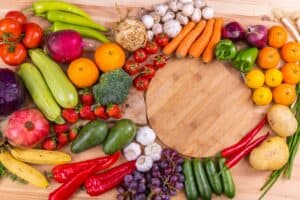
Lutein is one of the most critical carotenoids for your vision. This is because it has been proven to lower the risk of macular degeneration, cataracts, and atherosclerosis. Lutein-rich foods include veggies and fruits that have orange or yellowish pigments, like tomatoes, squash, and carrots. Green vegetables such as romaine lettuce and spinach are also high in lutein.
N-Acetyl Cysteine (NAC)
NAC is another one of the most important antioxidants for vision. Scientists are still investigating how NAC can help with slowing age-related cataract progression, reducing dry eye symptoms, and managing macular degeneration. You can find this nutrient in animal proteins like turkey, chicken, cheese, eggs, and broccoli.
Quercetin
The power of quercetin is threefold. Quercetin is an anti-inflammatory agent, an antihistamine, and an important antioxidant. This means it can help protect your eyes from free radical damage and conditions like cataracts. You can find it in berries, cherries, and citrus fruits. It’s also great for seasonal allergies because of its antihistamine properties.
Rutin
Rutin is a bioflavonoid that has been shown to strengthen capillaries, which ensures that blood is flowing through and to your eyes well. It can also help prevent retinopathy. It is also found in citrus fruits, so it is one of the easier nutrients for your eyes to incorporate into your diet.
Selenium
Selenium is another trace mineral that your body uses to fight off infections. It’s also excellent for your vision because of its ability to neutralize free radicals, thereby preventing damage to your lens and macula. Glaucoma patients also often have low selenium levels. Selenium may also help your body absorb vitamin E. Fish, red meats, chicken, liver, eggs, and garlic are all good sources of this essential trace mineral.
Vitamin A
Vitamin A is one of the most important vitamins for healthy eyes, as our retinas need it to function well. In fact, some people with vitamin A deficiencies develop night blindness. Vitamin A foods are easy to spot, as they are usually the brightest yellow, orange, and dark green foods. For example, carrots, spinach, and sweet potatoes are all full of this essential vitamin.
Vitamin C
Vitamin C is a well-known immune system booster, and it is almost equally good for your vision. It can help lower the risk of developing cataracts, slow macular degeneration, and even reduce eye pressure for glaucoma patients. Citrus fruits and dark leafy greens are two of the best natural sources of this vitamin.
Vitamin E
Of all the nutrients for your eyes, vitamin E is one of the most imperative. Not having enough vitamin E in your body can contribute to poor vision, muscle weakness, and ocular inflammation. Eat wheat germ, spinach, yams, and avocados to make sure you are getting enough of this vitamin.
Zeaxanthin
Like lutein, zeaxanthin helps your eyes fight off oxidative stress and light damage through its protective pigments. The benefits of zeaxanthin are particularly important in people with blue eyes. This is because they have less pigmented eyes that are more susceptible to damage from the sun.
Zinc
Our eyes have the most zinc of anywhere in our bodies. We need zinc to convert raw beta-carotene (from raw carrots, for example) into usable vitamin A. While oysters are very high in zinc, so are wheat germ, liver, and pumpkin seeds.
Ensuring You Get the Best Nutrients for Your Eyes
Though it’s possible for you to get the above nutrients through a well-balanced diet, we understand it’s difficult to shop for and prepare the above foods on a regular basis. Not everyone enjoys oysters or liver, let alone wants to cook them. If you don’t eat meat, it may be even more difficult for you to get all of these nutrients. It’s one thing for us to tell you to go out and eat all of this great food that will start helping you see better, and another thing for busy, tired people to do it.
The Rebuild Your Vision Ocu-Plus Formula includes all these nutrients in an easy-to-take daily supplement. When diet isn’t enough, supplements are a great way to protect your vision and your quality of life in the long run.



Thank you so much helping us with this powerful info.May God richly bless you.
Hello I already have clucoma in my right eye,I think your vision supplements will help me, evening I did I was for good news from you but thanks any way
Hello I already have clucoma in my right eye,I think your vision supplements will help me
Relevant supplements are sure better than chemical eyedrops. tks for the info. May God reward you.
Thank you a great deal Sorensen for this valuable information on eye health.
May you always be blessed.
Thanks so much for keeping fate with the work of aiding people to rebuild their vision through your site rebuilding information.
I for one appreciate the one on the A-Z nutrients information.
GOD BLESS YOU.
I WISH TO THANK YOU FOR TAKING YOUR TIME TO SEND THESE ISSUES ON REBUILD YOUR VISION.
Can you tell me which keyboard is easier on the eyes of a 68 year old woman that works at computer Black w/ white letters on the keys or cream w/ black letters
Thank you
I have appreciated your information
Thank you very much Tyler for all the information you are giving us about proper eye care.It all works. Regards and God Bless!
Wow!! This is totally amazing!!My eyes are waayy better than they used to be! Thank you Tyler!